
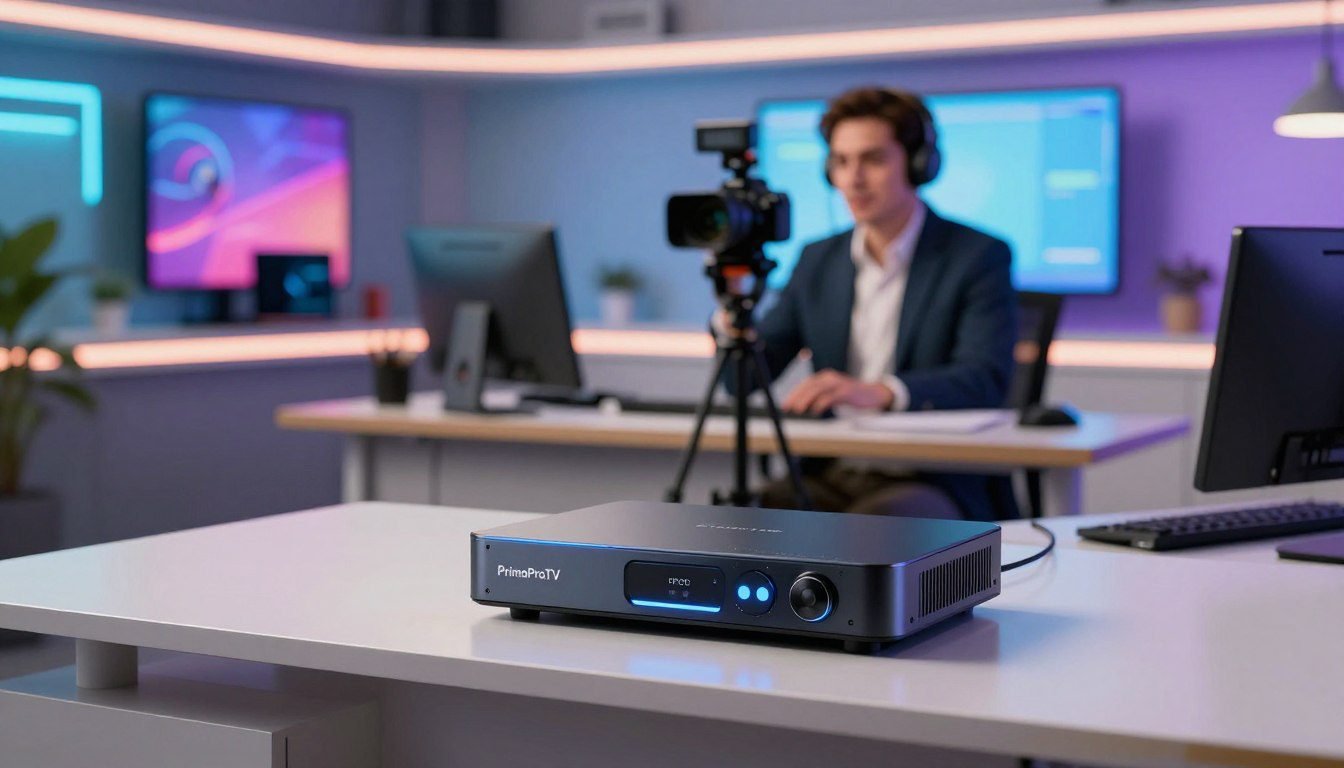
In the fast-paced digital world of 2026, delivering high-quality content is more important than ever. Whether you are a professional broadcaster or a growing content creator, the right hardware makes all the difference. An IPTV encoder acts as the critical bridge between your raw video signals and the final broadcast reaching your audience.
Selecting the best equipment ensures your live streaming remains stable and professional. Without a reliable device, you risk losing viewers to lag or poor image quality. Investing in top-tier technology helps you maintain a competitive edge in an increasingly crowded market.
By converting raw data into a format ready for distribution, these encoders provide the seamless experience modern viewers expect. Mastering your setup is the first step toward achieving broadcast-grade results. Let us explore how to choose the perfect tool for your specific needs.
Key Takeaways
- IPTV encoders are essential for converting raw video into professional distribution formats.
- Choosing the right hardware is vital for maintaining a competitive edge in 2026.
- Reliable equipment prevents common issues like lag and poor visual quality.
- High-quality gear ensures a smooth live streaming experience for your audience.
- Modern encoders bridge the gap between production and professional-grade delivery.
What is Live Streaming and Its Importance?
At its core, the ability to transmit video content instantly across the globe has fundamentally changed how we consume information. Live streaming acts as a digital bridge, connecting creators and businesses directly to their audiences in real time. This technology removes the barriers of traditional broadcasting, allowing for immediate interaction and feedback.
Understanding Live Streaming Basics
To grasp how this works, think of the process as a continuous loop of data capture, encoding, and distribution. When you engage in online video streaming, your camera captures raw footage that must be compressed into a digital format. This data is then sent to a server, which broadcasts the signal to viewers across various devices.
Success in this field requires more than just a camera and an internet connection. Professional live event streaming demands high-quality encoders to ensure the signal remains stable and clear. Without the right hardware, viewers may experience frustrating delays or poor image quality that ruins the experience.
The Role of Live Streaming in Modern Media
The rise of online video streaming has completely transformed how industries operate today. From corporate webinars to massive gaming tournaments, organizations now rely on these tools to maintain a global presence. It is no longer just a luxury; it is a critical component of modern communication strategies.
Furthermore, the demand for high-quality live streaming has pushed technology to new heights. Whether you are hosting a small workshop or a large-scale production, professional live event streaming allows you to reach thousands of people instantly. This level of accessibility is exactly why this medium continues to grow in popularity across the United States and beyond.
Key Features of an IPTV Encoder
Your choice of hardware determines the reliability and clarity of your online video streaming output. Professional setups require specific technical standards to ensure that content reaches viewers without interruption or degradation. By focusing on core features, you can build a robust foundation for your media distribution.
Video Quality and Resolution
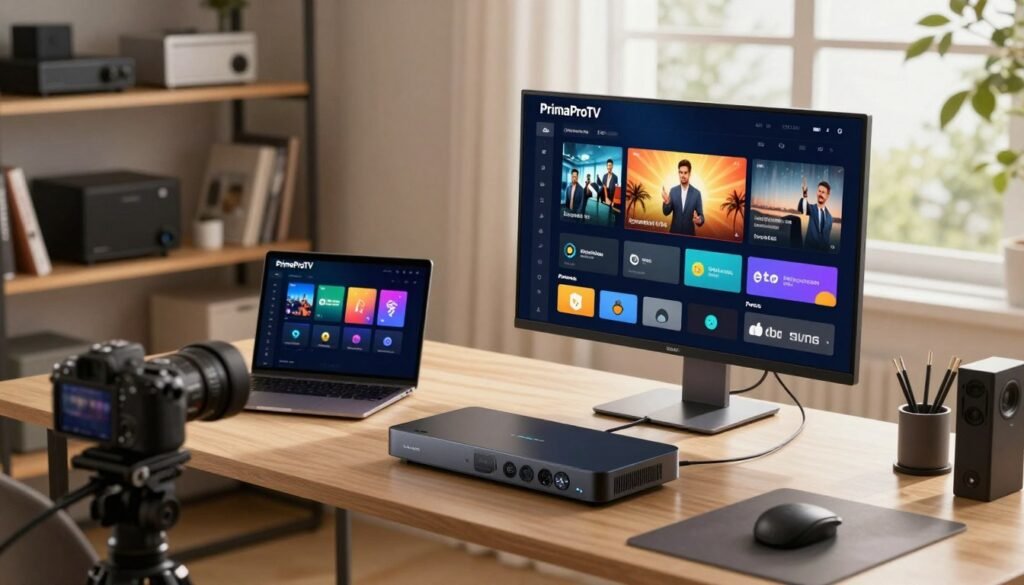
High-definition output is the hallmark of modern video broadcasting. A top-tier encoder must support various resolutions, ranging from standard 1080p to high-fidelity 4K. Efficient compression algorithms, such as H.264 or H.265, are essential to maintain visual integrity while keeping bandwidth usage manageable.
Audio Compatibility and Formats
Clear sound is just as vital as sharp visuals for high-quality streaming services. Your encoder should support industry-standard audio codecs like AAC or MP3 to ensure broad device compatibility. Proper synchronization between audio and video tracks prevents the common frustration of lip-sync errors during live broadcasts.
User-Friendly Interface
Managing complex workflows becomes much easier with an intuitive control panel. A well-designed interface allows you to monitor stream health, adjust bitrate settings, and manage inputs in real-time. This accessibility is crucial for maintaining a professional standard during fast-paced events.
| Feature Category | Standard Requirement | Professional Benefit |
|---|---|---|
| Video Resolution | 1080p at 60fps | Smooth motion clarity |
| Audio Codecs | AAC / HE-AAC | High fidelity sound |
| Control Interface | Web-based GUI | Remote management |
| Latency Control | Low-latency mode | Real-time interaction |
Top IPTV Encoders for 2026
Navigating the landscape of modern broadcasting hardware can feel overwhelming without a clear guide. As we look toward the latest technology in 2026, selecting the right device is crucial for maintaining high standards in live streaming. Whether you are managing a small production or a large-scale broadcast, the right encoder ensures your signal remains stable and clear.
Comparison of Leading Models
The current market features several standout performers that cater to different professional needs. Brands like Teradek and Epiphan continue to lead the industry by offering robust hardware designed for real-time streaming. These devices provide low latency and high reliability, which are essential for any professional setup.
Another strong contender is Magewell, known for its compact design and ease of use. These units are perfect for those who need to move quickly between locations during a live event streaming project. Each of these models offers unique advantages depending on your specific workflow requirements.
Pricing and Value for Money
Investing in quality hardware does not always mean spending a fortune. Many entry-level encoders now offer features that were previously reserved for high-end broadcast equipment. By balancing your budget with your technical needs, you can find a solution that provides excellent value for your live event streaming goals.
It is helpful to compare the total cost of ownership, including potential subscription fees for cloud services. The following table highlights the key differences between popular models to help you make an informed decision for your real-time streaming setup.
| Model | Primary Use | Latency | Price Range |
|---|---|---|---|
| Teradek VidiU | Professional Field | Ultra-Low | $700 – $900 |
| Epiphan Pearl | Studio Production | Low | $1,500 – $2,500 |
| Magewell Ultra | Portable Streaming | Low | $400 – $600 |
| Generic H.264 | Basic Webcasts | Moderate | $150 – $300 |
Ultimately, the best choice for live streaming depends on your specific environment and frequency of use. Prioritize hardware that offers consistent firmware updates to ensure your equipment remains compatible with evolving digital standards.
Factors to Consider When Choosing an IPTV Encoder
Your choice of hardware directly impacts the quality and stability of your live stream service. Selecting the right device requires a deep dive into your network infrastructure and the specific demands of your chosen streaming platform. By evaluating these technical needs early, you can avoid common pitfalls that lead to dropped frames or poor video quality.
Bandwidth Requirements
Every encoder relies on your internet connection to push data to your audience. You must ensure your upload speed consistently exceeds the bitrate you intend to broadcast. If your network lacks the necessary capacity, your streaming services will likely suffer from frequent buffering or total connection drops.
It is wise to test your network stability during peak hours before finalizing your purchase. A robust connection is the backbone of any professional broadcast setup. Always account for overhead to keep your stream running smoothly even when network traffic fluctuates.
Compatibility with Devices
Not every encoder works seamlessly with every streaming platform. You should verify that your hardware supports the specific protocols required by your distribution channels. Compatibility issues often cause unnecessary delays and technical headaches during live events.
Check if the device integrates well with your existing cameras, switchers, and software encoders. A versatile unit that handles multiple input formats will save you time and money in the long run. Ensuring your gear communicates effectively with your entire ecosystem is vital for a professional live stream service.
Customer Support and Updates
The technology behind streaming services evolves rapidly, making ongoing manufacturer support essential. Regular firmware updates are necessary to patch security vulnerabilities and improve overall performance. Investing in a brand that prioritizes long-term support ensures your equipment remains relevant for years.
Before buying, research the manufacturer’s reputation for providing timely software patches. Reliable customer service can be a lifesaver when you encounter unexpected technical glitches. Choosing a well-supported product protects your investment and keeps your broadcast running at peak efficiency.
| Factor | Priority Level | Impact on Performance |
|---|---|---|
| Bandwidth Capacity | Critical | High (Prevents Buffering) |
| Device Compatibility | High | Medium (Ensures Connectivity) |
| Firmware Updates | Medium | High (Long-term Stability) |
How to Set Up Your IPTV Encoder
Setting up your new encoder is the final step toward achieving a professional webcast solution. A proper installation ensures that your hardware functions reliably during high-traffic periods. By following these steps, you can maintain a stable connection for any live event streaming requirement.
Step-by-Step Installation Guide
Begin by connecting your video source, such as a camera or switcher, to the HDMI or SDI input port on your encoder. Ensure that you use high-quality cables to prevent signal loss. Once the video source is connected, plug the Ethernet cable into your local network router to establish a stable internet connection.
Power on the device and wait for the status lights to indicate a successful boot. Access the device dashboard by entering the IP address provided in your manual into a web browser. This interface serves as the command center for your video broadcasting needs.
Configuring Settings for Optimal Performance
After accessing the dashboard, navigate to the encoding tab to adjust your stream parameters. You should select a resolution and bitrate that align with your available upload bandwidth. Proper configuration is vital for a smooth webcast solution that avoids buffering issues.
Next, input your streaming server details, including the RTMP URL and stream key provided by your platform. Save your settings and perform a test run to verify the signal quality. This process is essential for successful live event streaming and high-quality video broadcasting.
| Profile Type | Resolution | Target Bitrate | Usage Scenario |
|---|---|---|---|
| Standard | 720p | 3 Mbps | Basic Webinars |
| High Quality | 1080p | 6 Mbps | Professional Events |
| Ultra HD | 4K | 15 Mbps | Cinematic Streams |
Live Streaming Protocols Explained
Understanding how data travels from your encoder to your viewers is the secret to professional-grade broadcasts. Every streaming platform relies on specific protocols to package and deliver video data across the internet. Choosing the right one determines the stability and quality of your broadcast.
Modern live streaming technology has evolved significantly to meet the demands of global audiences. By mastering these underlying standards, you can ensure your content remains accessible and high-performing regardless of the viewer’s device.
RTMP vs. HLS: Which is Better?
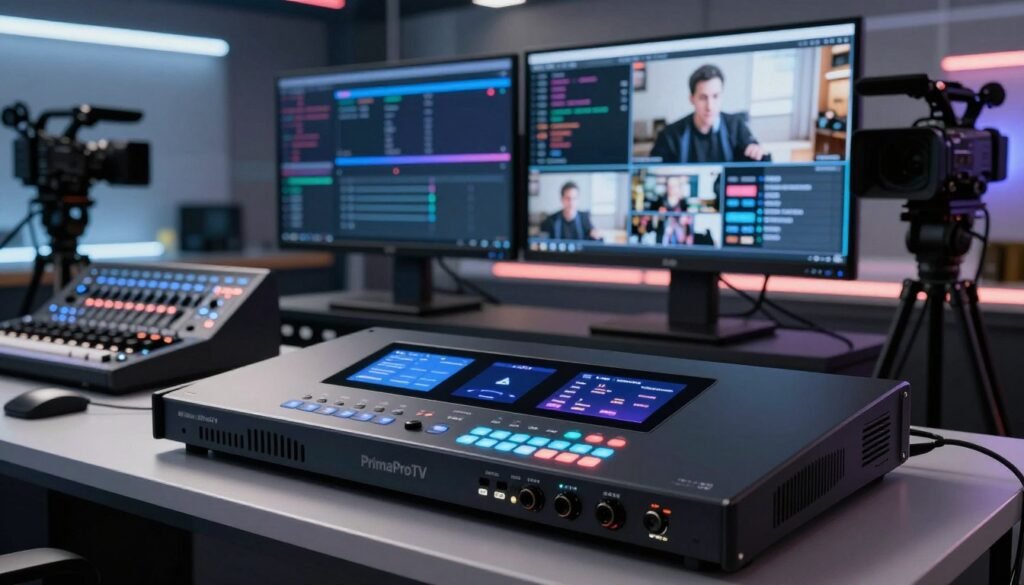
The Real-Time Messaging Protocol (RTMP) has long been the industry standard for sending video from an encoder to a server. It is highly reliable and offers low latency, making it a favorite for professional ingest workflows. However, it is not natively supported by most modern web browsers.
In contrast, HTTP Live Streaming (HLS) is the current king of delivery. It breaks video into small segments, allowing it to play smoothly on almost any device, including smartphones and smart TVs. While HLS is incredibly compatible, it traditionally introduces higher latency compared to older methods.
| Protocol | Primary Use | Latency | Compatibility |
|---|---|---|---|
| RTMP | Ingest | Very Low | Limited |
| HLS | Delivery | High | Universal |
| WebRTC | Interaction | Ultra-Low | High |
Importance of Low Latency Streaming
Achieving real-time streaming is essential if your content involves audience interaction, such as live auctions or gaming. When latency is high, viewers experience a significant delay between the action and the reaction. This gap can ruin the immersive experience that modern audiences expect.
Reducing this delay is a technical challenge that requires optimizing your entire pipeline. By selecting the right protocol and configuring your encoder correctly, you can minimize buffering and keep your broadcast feeling truly live. Investing in the right live streaming technology ensures your streaming platform stays competitive in a fast-paced digital market.
Ultimately, the goal of real-time streaming is to bridge the distance between the creator and the viewer. Prioritizing speed without sacrificing video quality is the hallmark of a successful broadcast setup.
Common Issues with IPTV Streaming and Solutions
Even the most sophisticated setups can encounter technical hurdles during a live broadcast. While modern technology is powerful, online video streaming requires a delicate balance of hardware and network resources. Understanding how to address these glitches ensures your webcast solution remains reliable and professional.
Buffering Problems and Fixes
Buffering is often the result of an unstable internet connection or an encoder bitrate that exceeds your upload capacity. To fix this, check your network stability and consider lowering your output bitrate to match your available bandwidth. Consistent upload speeds are far more important than high download speeds for a smooth broadcast.
You should also ensure that your hardware is not overheating during long sessions. High-quality streaming services often recommend using a wired Ethernet connection rather than Wi-Fi to prevent packet loss. If the problem persists, try closing background applications that might be consuming your CPU resources.
Dealing with Audio Sync Issues
Audio sync issues occur when the video processing time differs from the audio processing time. This delay creates a frustrating experience where the sound does not match the movement on screen. You can usually resolve this by adjusting the audio delay settings directly within your encoder software.
It is also helpful to verify that your audio sample rate matches your video project settings. Mismatched rates often cause the audio to drift over time during a long broadcast. Using a dedicated webcast solution with built-in sync monitoring can help you catch these errors before they impact your viewers.
| Issue Type | Primary Cause | Quick Fix |
|---|---|---|
| Buffering | Low Upload Speed | Reduce Bitrate |
| Audio Lag | Processing Delay | Adjust Sync Offset |
| Frame Drops | CPU Overload | Close Background Apps |
Future Trends in Live Streaming Technology
Emerging technologies are currently redefining the boundaries of high-definition media. As the demand for crystal-clear visuals grows, the industry is rapidly evolving to meet these high expectations. This shift in live streaming technology ensures that viewers receive a cinema-like experience directly on their home devices.
Advances in 4K and 8K Streaming
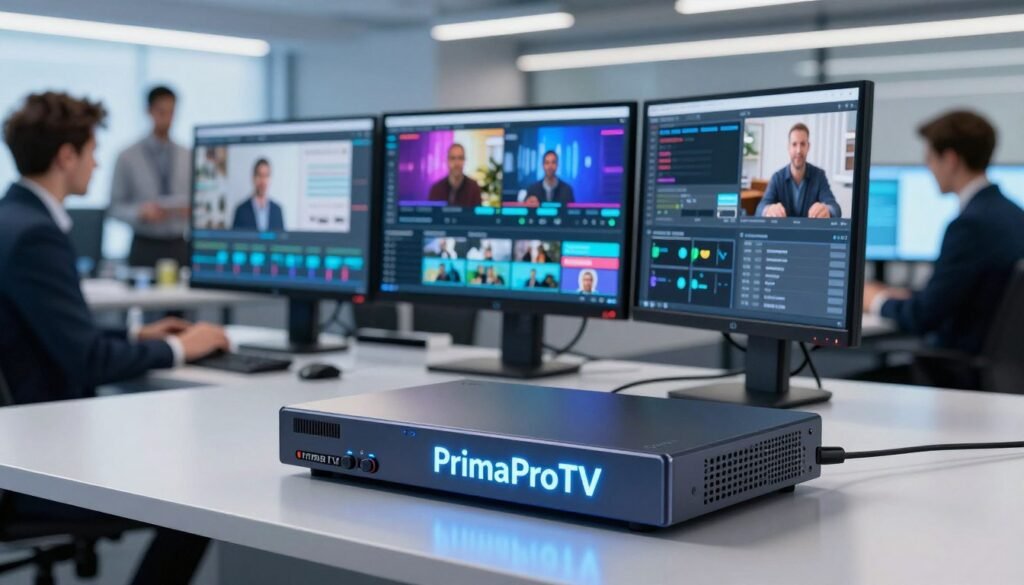
The transition toward 4K and 8K resolutions is a major milestone for the industry. These formats provide unparalleled detail, making every frame look incredibly sharp and lifelike. While these resolutions require significant bandwidth, they represent the future of high-quality live streaming.
Broadcasters are now investing in hardware that can handle the massive data throughput required for such high fidelity. By adopting these standards, a professional live stream service can offer a competitive edge that keeps audiences engaged for longer periods. The visual impact of 8K, in particular, is set to change how we perceive digital broadcasts.
| Resolution | Pixel Count | Bandwidth Needs |
|---|---|---|
| 1080p (Full HD) | 2 Million | Low |
| 4K (Ultra HD) | 8 Million | Moderate |
| 8K (Super Hi-Vision) | 33 Million | Very High |
AI and Machine Learning in Streaming Services
Artificial Intelligence is playing a vital role in optimizing the delivery of content. By using machine learning, platforms can now automate quality control to ensure a smooth viewing experience. This technology detects network fluctuations in real-time and adjusts bitrates to prevent buffering.
Furthermore, AI helps in personalizing content recommendations for every user. This integration of smart tools makes live streaming more efficient and reliable than ever before. As we look ahead, the synergy between human creativity and machine intelligence will continue to push the limits of modern live streaming technology.
Maximizing Your Streaming Experience
Elevating your audience’s viewing experience starts with optimizing your signal path. To get the most out of your hardware, you must implement best practices for video broadcasting and signal management. By refining your technical workflow, you ensure that your content reaches viewers with clarity and speed.
Tips for Reducing Latency
Achieving near-instantaneous delivery is a primary goal for any professional setup. You should prioritize a wired Ethernet connection over Wi-Fi to maintain a stable environment for real-time streaming. This simple change often eliminates the jitter that causes annoying delays during live broadcasts.
Furthermore, adjusting your encoder’s buffer size can significantly impact your performance. A smaller buffer reduces the time it takes for data to process, which is vital for live streaming technology. Always test your network throughput before going live to ensure your upload speeds remain consistent throughout the session.
Enhancing Video Quality
High-quality visuals keep your audience engaged and coming back for more. You should focus on finding the perfect balance between your bitrate and your resolution settings. Using a higher bitrate generally improves clarity, but it must remain within the limits of your available upload bandwidth to prevent frame drops.
Advanced settings like hardware-accelerated encoding can also provide a massive boost to your video broadcasting output. By offloading the heavy lifting to your GPU, you free up system resources for smoother real-time streaming. Remember that modern live streaming technology allows for granular control over keyframe intervals, which helps maintain image stability during fast-paced action sequences.
Conclusion: Choosing the Right IPTV Encoder for You
Investing in high-quality equipment transforms how you reach your audience. A reliable live stream service depends on hardware that balances power with ease of use.
Essential Factors for Your Setup
Focus on units that offer broad compatibility with your existing streaming platform. Prioritize devices that support high-bitrate encoding to keep your visuals crisp. A stable connection remains the backbone of every successful broadcast.
Building for Long-Term Success
Choose gear that adapts to changing industry standards to protect your budget. A versatile webcast solution grows alongside your technical requirements. Evaluate your long-term goals to ensure your hardware supports future upgrades. Your commitment to quality today builds a stronger digital presence for years to come.


