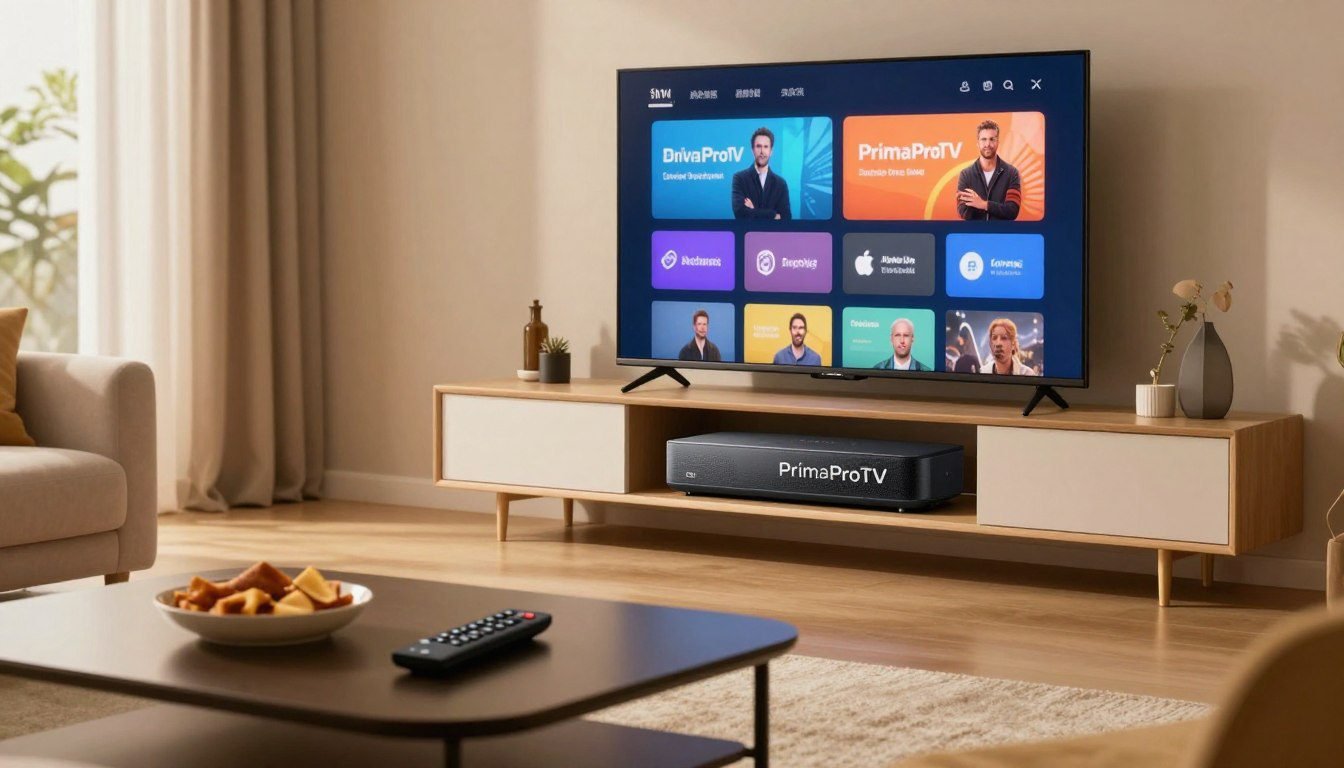
Finding the right hardware to power your home entertainment setup can feel overwhelming. With so many options hitting the market, choosing the best streaming device for your specific needs is essential for accessing high-quality content across your favorite platforms.
Our comprehensive guide simplifies this process by breaking down the latest technology. We focus on performance, ease of use, and overall value to ensure you get the most out of your television experience.
Through our detailed streaming device reviews, we provide clear insights into what makes a product stand out. You will learn the exact criteria we use to evaluate top performers, helping you make an informed decision with total confidence.
Key Takeaways
- Understand the core features that define high-quality media players.
- Learn how to match hardware capabilities with your specific television setup.
- Discover which platforms offer the most reliable performance for 2024.
- Identify the most important factors to consider before making a purchase.
- Gain clarity on how expert testing simplifies your shopping journey.
Why You Need a Streaming Device in 2024
Upgrading your home setup with the right hardware is the best way to take control of your viewing experience in 2024. As technology evolves, popular streaming devices have become the essential bridge between your internet connection and your television screen. These compact gadgets offer a level of freedom that traditional television simply cannot match.
The Shift from Cable to Streaming
The landscape of home entertainment has changed dramatically as viewers move away from rigid, scheduled programming. Instead of waiting for a specific show to air, audiences now prefer the flexibility of on-demand content. This transition allows you to watch what you want, exactly when you want it, without being tied to a cable box.
Cost-Effectiveness of Streaming Devices
Many households are discovering that cutting the cord leads to significant monthly savings. While cable subscriptions often include hidden fees and expensive equipment rentals, popular streaming devices require only a one-time purchase. By choosing a few targeted subscriptions, you can drastically reduce your annual entertainment budget.
| Feature | Traditional Cable | Streaming Setup |
|---|---|---|
| Monthly Cost | High ($100+) | Low ($20-$50) |
| Contract | Required | None |
| Content Access | Scheduled | On-Demand |
| Hardware | Cable Box | Streaming Device |
Popularity of Streaming Services
The rise of high-quality content platforms has made these devices a staple in modern living rooms. Because popular streaming devices support a vast array of apps, they serve as a central hub for all your favorite movies and shows. Embracing this technology ensures you stay connected to the latest trends in digital media with ease and reliability.
Key Features to Look for in a Streaming Device
Investing in high-quality streaming devices requires a solid understanding of the technical specifications that truly matter. While many products look similar on the shelf, the internal hardware determines how well your favorite shows and movies will actually look and perform.
Resolution and Picture Quality
The most important factor for a cinematic experience at home is the resolution. You should prioritize devices that support 4K Ultra HD, which provides four times the detail of standard high definition. High Dynamic Range (HDR) support is equally vital, as it ensures deeper blacks and brighter, more vibrant colors.
When you combine 4K resolution with HDR, your screen becomes a window into a much more realistic world. This combination is essential for anyone who wants to get the most out of their modern television.
User Interface and Ease of Use
A device is only as good as its software. The best high-quality streaming devices feature an intuitive user interface that allows you to find your content without frustration. You want a system that is snappy, responsive, and easy for every member of your family to navigate.
Look for platforms that offer a clean layout and fast loading times. A cluttered menu can ruin your evening, so prioritize hardware that keeps your favorite apps front and center.
Voice Control and Smart Features
Modern technology has made navigation easier than ever through voice commands. Using a remote with a built-in microphone allows you to search for movies or adjust settings simply by speaking. This feature is a game-changer for those who prefer not to type out long titles on a virtual keyboard.
Beyond voice control, consider these essential features when comparing your options:
- Dual-band Wi-Fi support for a stable and fast connection.
- Expandable storage or sufficient internal memory for your apps.
- Seamless integration with your existing smart home ecosystem.
- Regular software updates to ensure long-term performance.
By focusing on these core elements, you can confidently select high-quality streaming devices that will remain relevant for years to come. Taking the time to evaluate these specs now will save you from needing an upgrade in the near future.
Top Streaming Devices for 2024
Navigating the world of digital entertainment requires a clear understanding of the top streaming gadgets available right now. With technology evolving rapidly, finding the best streaming device for your specific needs can significantly enhance your daily viewing habits.
Whether you prioritize raw power or budget-friendly convenience, the current market offers a variety of choices. We have analyzed the most popular streaming devices to help you make an informed decision for your home theater setup.
Roku Ultra
The Roku Ultra stands out as a powerhouse for users who want a stable and reliable experience. It features a fast processor and an Ethernet port for those who prefer a wired connection to ensure seamless 4K playback.
One of the most praised aspects in streaming device reviews is the remote finder feature. If you often lose your remote in the couch cushions, this simple addition is a game-changer.
“The best way to predict the future is to create it, and these devices are certainly shaping the future of home entertainment.”
Amazon Fire TV Stick 4K
If you are looking for affordable streaming devices, the Amazon Fire TV Stick 4K is an excellent entry point. It packs impressive performance into a compact design that hides discreetly behind your television.
The integration with Alexa allows for hands-free voice control, making it easy to search for movies or manage your smart home devices. It is a highly efficient tool for anyone already invested in the Amazon ecosystem.
Apple TV 4K
For those who demand a premium experience, the Apple TV 4K remains the gold standard. It offers a smooth, ad-free interface that feels incredibly responsive compared to other high-quality streaming devices.
The device excels at color accuracy and supports advanced audio formats for a cinematic feel. It is the perfect choice for users who want a seamless connection with their existing Apple products.
| Device | Best For | Key Strength |
|---|---|---|
| Roku Ultra | Reliability | Ethernet Port |
| Fire TV Stick 4K | Budget | Alexa Integration |
| Apple TV 4K | Performance | Ecosystem Sync |
This streaming device comparison highlights that there is no single “perfect” unit for everyone. By weighing your personal preferences against these top-tier options, you can easily find the hardware that fits your lifestyle.
Performance Comparison of Leading Devices
When you look at top streaming gadgets, the real difference often lies in how they handle data and apps. Understanding these metrics helps you avoid the frustration of constant loading screens. By evaluating how hardware manages high-bandwidth content, you can ensure a seamless entertainment experience.
Streaming Speed and Reliability
Reliable performance is the backbone of any high-quality home theater setup. In our latest streaming device reviews, we found that processors play a vital role in how quickly apps launch and how smoothly menus transition. A powerful chip ensures that your 4K content streams without stuttering or unexpected buffering.
Network stability is equally important for a consistent experience. Devices with advanced Wi-Fi antennas maintain a stronger connection to your router, even when other household members are online. Fast processing speeds combined with stable connectivity provide the best possible picture quality.
App Availability and Compatibility
A comprehensive streaming device comparison reveals that software support is just as critical as hardware specs. You want a device that offers broad compatibility with all your favorite subscription services. Most modern platforms now support major apps, but some offer better integration than others.
Look for systems that receive frequent updates to keep your library current. Seamless app navigation ensures you spend less time searching and more time watching. Compatibility with various audio and video formats also ensures your device works perfectly with your existing sound system.
Gaming Features and Options
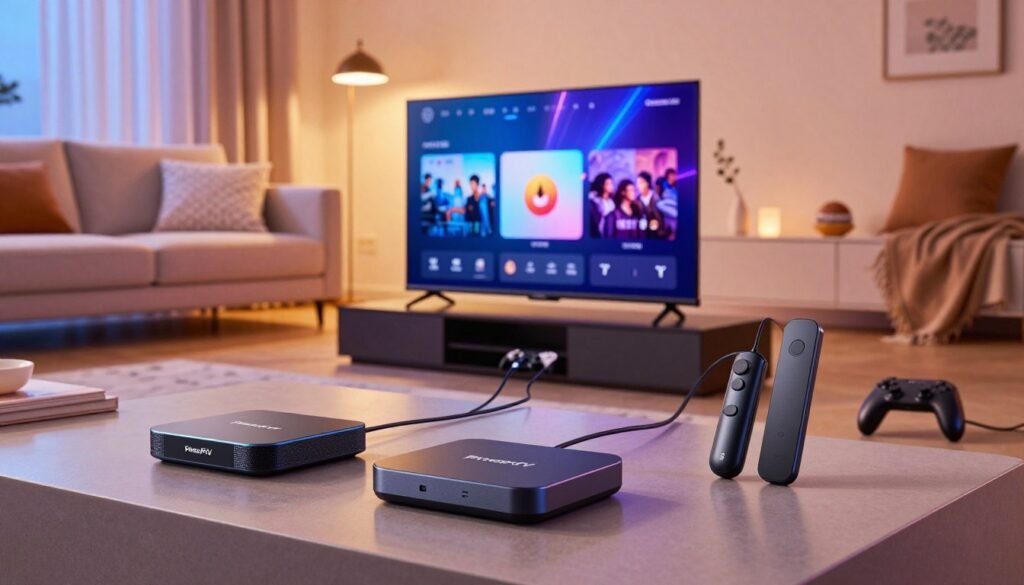
Many popular streaming devices are evolving into more than just video players. Some models now include robust support for cloud gaming services, allowing you to play titles directly on your television. This feature is perfect for casual gamers who want to avoid buying a dedicated console.
These devices often support Bluetooth controllers, making the setup process simple and intuitive. While they may not replace high-end gaming PCs, they offer a fun and accessible way to enjoy interactive entertainment. Choosing a device with these extra features adds significant value to your home media center.
How to Choose the Right Streaming Device for You
Navigating the market for a new media player involves balancing your daily habits with your long-term budget. Finding the best streaming device for your home does not have to be a stressful task if you follow a clear plan. By focusing on your specific requirements, you can avoid paying for features that you will never actually use.
Understanding Your Viewing Habits
Start by considering how often you watch television and what type of content you prefer. If you are a casual viewer who mostly watches news or basic shows, a simple stick-style player will likely suffice. However, power users who enjoy high-end gaming or 4K HDR movies should look for more robust hardware.
Think about whether you need a device that supports advanced audio formats like Dolby Atmos. A thorough streaming device comparison will reveal that some models are built specifically for home theater enthusiasts, while others prioritize simplicity and portability.
Assessing Your Internet Speed
Your home network is the backbone of your streaming experience. Before you buy, run a speed test to ensure your connection can handle high-definition or 4K content without constant buffering. Most 4K services require a stable download speed of at least 25 Mbps for a smooth experience.
If your internet speed is inconsistent, you might want to choose a device that supports an Ethernet connection. This physical link often provides better stability than Wi-Fi, especially in larger homes where the signal might struggle to reach your living room.
Budget Considerations
You do not need to break the bank to get a high-quality experience. There are many affordable streaming devices on the market that offer excellent performance for the average user. It is helpful to define your price range before you start shopping to keep your search focused.
Remember that the most expensive option is not always the right one for your specific setup. Focus on the features that matter most to you, such as remote control quality or app library size, to find the best value.
| Device Tier | Best For | Typical Price Range |
|---|---|---|
| Entry-Level | Casual viewers | $30 – $50 |
| Mid-Range | Daily streamers | $60 – $100 |
| Premium | Home theater enthusiasts | $120+ |
Setting Up Your Streaming Device
Transforming your television into a smart entertainment hub starts with a simple installation process. Whether you are a tech enthusiast or a casual viewer, getting your new wireless streaming device ready for action is designed to be quick and stress-free.
Unboxing and Initial Setup
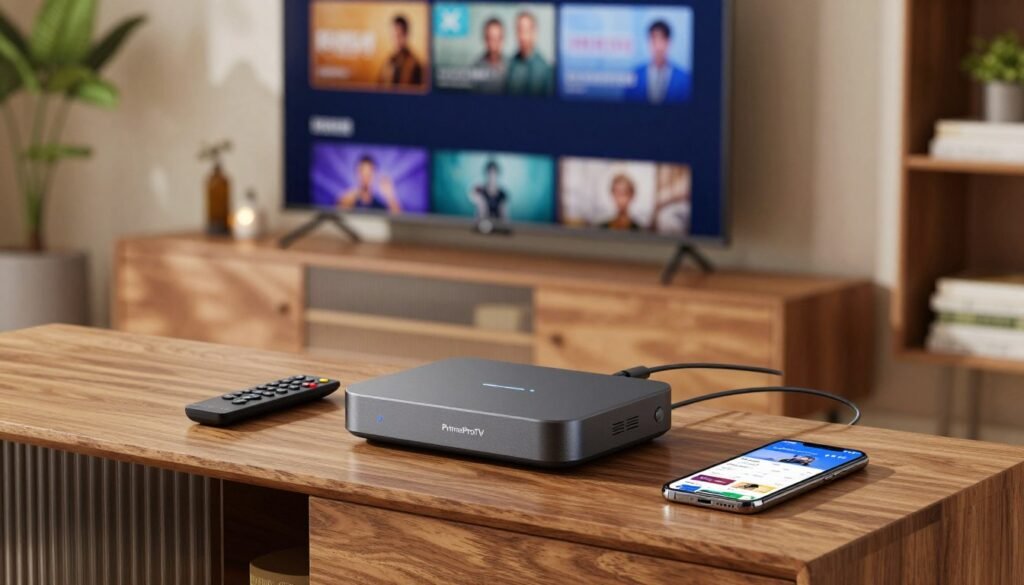
Begin by carefully unboxing your hardware and ensuring all components are present. Most kits include the player, a power adapter, and a remote control. Always check the manufacturer’s guide to confirm you have the necessary cables, such as a high-speed HDMI cord.
Once you have verified the contents, plug the power adapter into a wall outlet. Connect the power cable to your device and wait for the indicator light to signal that it is ready for the next step.
Connecting to Your TV and Internet
Insert the HDMI cable into an open port on your television. Make sure to note the port number, such as HDMI 1 or HDMI 2, so you can select the correct input source using your TV remote.
After switching your TV to the correct input, follow the on-screen prompts to link your wireless streaming device to your home Wi-Fi network. Select your network name from the list and enter your password carefully to ensure a stable connection.
Installing and Navigating Apps
Once connected, you will reach the main dashboard. This is where you can download your favorite streaming services like Netflix, Hulu, or Disney+ from the built-in app store.
After installing your preferred apps, you can organize your home screen to keep your most-watched services at the top. This personalized layout makes it much easier to find your content every time you sit down to watch.
| Device Type | Setup Difficulty | Connection Method |
|---|---|---|
| Roku Ultra | Very Easy | HDMI & Wi-Fi |
| Fire TV Stick | Easy | HDMI & Wi-Fi |
| Apple TV 4K | Moderate | HDMI & Ethernet/Wi-Fi |
By following these steps, your wireless streaming device will be fully operational in minutes. Enjoy exploring the vast library of content now available at your fingertips.
Troubleshooting Common Streaming Issues
Even the most reliable wireless streaming device can occasionally run into technical hiccups. While these interruptions are annoying, most problems are easy to resolve without needing professional help. By following a few simple steps, you can get back to your favorite content in no time.
Buffering and Network Problems
Persistent buffering is often caused by a weak signal or network congestion. First, try moving your router closer to your wireless streaming device to ensure a stronger connection. If the issue continues, consider using an Ethernet cable for a more stable, wired experience.
You should also check if other devices in your home are consuming too much bandwidth. Streaming high-definition video requires a steady flow of data. Limiting background downloads on computers or gaming consoles can often clear up the lag immediately.
Device Won’t Connect to Wi-Fi
If your hardware refuses to join the network, start by restarting both your router and your streaming unit. This simple power cycle often clears temporary software glitches that prevent a successful handshake. Ensure that you are entering the correct Wi-Fi password, as even a small typo will block access.
Check if your router is broadcasting on the correct frequency. Many modern units support both 2.4GHz and 5GHz bands. If your device is struggling to find the signal, switching between these bands in your network settings can provide a quick and effective fix.
App Freezing or Crashing
Apps can sometimes freeze due to corrupted cache files or outdated software. Navigate to your system settings to clear the cache for the specific app that is causing trouble. This action removes temporary data that might be interfering with playback performance.
If the problem persists, check for any available system updates for your device. Developers frequently release patches to improve stability and fix known bugs. Keeping your software current is the best way to ensure a smooth and uninterrupted viewing experience.
Accessories and Add-ons for Enhanced Streaming
Transforming your living room into a cinema requires more than just a streaming box. While high-quality streaming devices provide the foundation for your entertainment, the right accessories can bridge the gap between a standard setup and a professional home theater experience.
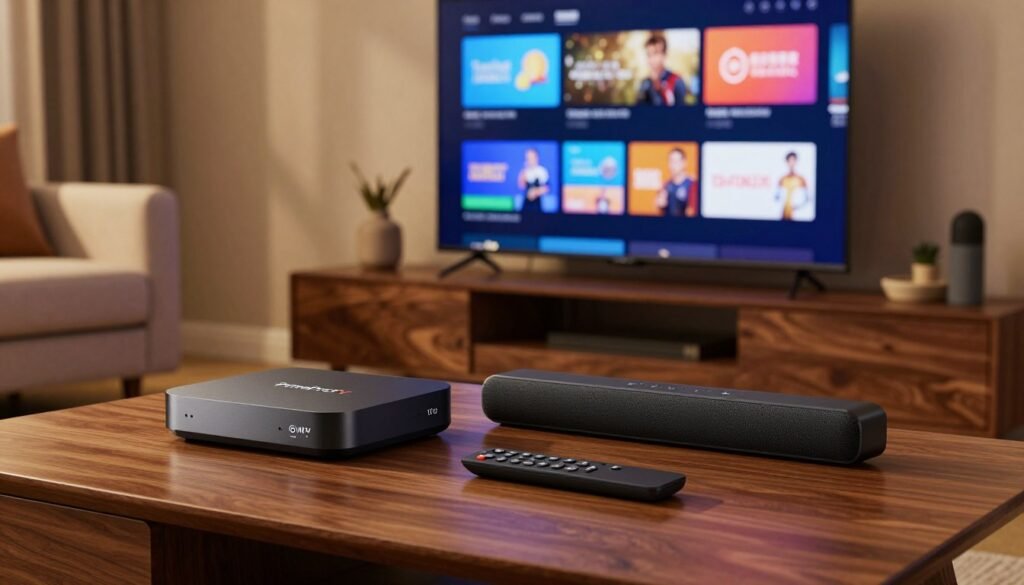
Investing in the right gear ensures that your hardware performs at its peak. Whether you are looking for better connectivity or improved comfort, these additions make a noticeable difference in your daily viewing habits.
Best HDMI Cables for Quality Streaming
Many people underestimate the importance of a reliable HDMI cable. A high-speed cable is essential for maintaining a stable signal, especially when you are pushing 4K or HDR content to your television.
- Look for cables labeled as “Ultra High Speed” to support 48Gbps bandwidth.
- Ensure the cable is long enough to reach your ports without tension.
- Gold-plated connectors can help prevent corrosion over time.
Soundbars and Headphones for Audio
Visuals are only half of the story when you use a wireless streaming device. To truly immerse yourself in your favorite movies, you need audio that matches the clarity of your screen.
A compact soundbar can provide a massive upgrade over standard TV speakers. If you prefer to keep things quiet for others in the house, high-quality wireless headphones offer a private, cinematic soundstage that keeps you focused on the action.
Remote Control Alternatives
Sometimes the standard remote that comes with your hardware is not the most comfortable option. You might find that a universal remote or a dedicated mobile app offers better navigation and control.
There are many affordable streaming devices accessories available that allow you to customize your interface. Consider these options to simplify your setup:
- Universal remotes that can control your TV, soundbar, and streaming box simultaneously.
- Smartphone apps that provide a full keyboard for easier searching.
- Bluetooth-enabled game controllers for those who enjoy casual gaming on their media player.
Future Trends in Streaming Technology
The landscape of home entertainment continues to shift rapidly as technology advances. Innovations in hardware and software ensure that top streaming gadgets remain at the center of our digital lives.
Artificial Intelligence and Personalization
Future devices will utilize machine learning to predict your viewing preferences with incredible accuracy. These systems will curate content libraries that adapt to your mood and habits in real time. You can expect smarter search functions that understand natural language commands better than ever before.
The Shift Toward 8K Resolution
Visual fidelity will reach new heights as 8K streaming becomes a standard expectation for premium hardware. Manufacturers are already preparing for this transition to ensure that top streaming gadgets can handle the massive data requirements of ultra-high-definition content. This leap will provide a level of clarity that rivals the cinema experience right in your living room.
Interactive and Immersive Experiences
New features will transform passive viewing into an active, engaging event. Expect deeper integration with social platforms and interactive storytelling where viewers influence the plot of their favorite shows. These advancements will redefine how we interact with media, making every session feel unique. Keep an eye on these developments as you upgrade your home theater setup to stay ahead of the curve.


