
The way we enjoy entertainment in the United States has changed forever. Gone are the days of rigid cable schedules and bulky hardware. Today, video streaming puts thousands of movies and shows right at your fingertips with just a few clicks.
This shift toward digital content offers incredible freedom for every household. However, navigating the vast array of platforms can feel overwhelming for beginners and even seasoned cord-cutters. Optimizing your home setup is the secret to ensuring a smooth, high-quality experience every time you press play.
Whether you are looking to save money or simply want better control over your media, this guide provides the tools you need. We will explore how to master video streaming to get the most out of your internet connection and devices. Let’s dive into the best tips to elevate your daily viewing habits.
Key Takeaways
- Understand the shift from traditional cable to modern digital platforms.
- Learn why a stable internet connection is vital for high-quality playback.
- Discover actionable tips to simplify your home entertainment setup.
- Find out how to choose the right services for your specific needs.
- Gain confidence in managing your subscriptions and hardware effectively.
What is Video Streaming and How Does it Work?
Behind every seamless episode of your favorite show lies a complex network of data packets traveling at incredible speeds. When you initiate video streaming, your device requests small chunks of data from a remote server. These packets arrive in a continuous flow, allowing your player to decode and display the content almost instantly.
A stable internet connection acts as the backbone of this entire process. Without a consistent data stream, your device cannot maintain the buffer required for smooth playback. Reliability is key to ensuring that your viewing experience remains uninterrupted and high-quality.
Understanding the Basics
At its core, online video streaming is the process of delivering media content over the internet in real-time. Unlike older methods that required you to wait for a file to finish downloading, this technology allows you to watch as the data arrives. It is a marvel of modern engineering that brings global entertainment to your fingertips.
“The future of television is not in the box, but in the connection that brings the world to your screen.”
Streaming vs. Downloading
Many users often confuse video on demand services with traditional file downloads. While both provide access to media, they function in fundamentally different ways. The following table highlights the primary differences between these two methods of media consumption.
| Feature | Streaming | Downloading |
|---|---|---|
| Access Time | Instant | Delayed |
| Storage | Temporary | Permanent |
| Data Usage | Continuous | One-time |
Choosing online video streaming provides the flexibility to watch content without filling up your device’s storage. Conversely, downloading is often preferred for offline viewing during travel. Understanding these distinctions helps you manage your video on demand library more effectively while optimizing your data usage for a better video streaming experience.
Popular Video Streaming Services in the US
Modern viewers have more options than ever before, but a few giants truly define the current market. Selecting the right streaming services is the first step toward building a personalized entertainment setup that fits your lifestyle.

Netflix: The Pioneer of Streaming
Netflix transformed the way we consume media by moving away from physical rentals to a digital-first model. It remains a dominant force in video streaming due to its massive library of original series and films.
Subscribers enjoy a seamless user interface that learns their preferences over time. This personalized approach keeps viewers engaged with content tailored specifically to their tastes.
Hulu: A Fusion of Streaming and Live TV
Hulu offers a unique value proposition by combining on-demand content with live streaming capabilities. This makes it a popular choice for those who want to cut the cord without losing access to their favorite network broadcasts.
Users can choose between ad-supported plans or premium tiers that remove interruptions. It effectively bridges the gap between traditional cable television and modern digital convenience.
Disney+: The Home of Family Entertainment
Disney+ has quickly become a staple for households across the country by housing iconic franchises under one roof. From animated classics to blockbuster superhero films, it provides a curated experience for all ages.
The platform focuses heavily on high-quality family content that resonates with multiple generations. Its integration with other major entertainment brands ensures a steady stream of new, exciting releases.
| Service | Primary Strength | Best For |
|---|---|---|
| Netflix | Original Content | Binge-watchers |
| Hulu | Live TV Integration | Cable Cutters |
| Disney+ | Family Franchises | Households |
Choosing the Right Streaming Service for You
Selecting a streaming provider is a personal journey that depends heavily on your unique viewing habits and financial goals. With the market saturated with options, finding the best video streaming services requires a clear strategy to ensure you receive maximum value. By evaluating your household needs, you can avoid paying for features that remain unused.
Factors to Consider
When you begin your search, start by looking at the content library size. Some platforms specialize in classic cinema, while others focus on original series or live sports. You should also check the simultaneous screen limits, which determine how many people in your home can watch at the same time.
Another vital aspect is the availability of high-definition or 4K content. Many streaming platforms offer higher resolution only on their premium tiers. Always verify if your current hardware supports these formats before committing to a higher monthly cost.
Comparing Plans and Pricing
Most providers offer tiered subscription models to accommodate different budgets. It is helpful to compare these options side-by-side to see which video streaming plan fits your lifestyle. The following table highlights common differences between standard service tiers found in the United States.
| Service Tier | Max Resolution | Concurrent Streams | Ad-Free |
|---|---|---|---|
| Basic | 720p/1080p | 1 | No |
| Standard | 1080p | 2 | Yes |
| Premium | 4K UHD | 4 | Yes |
Take your time to review these details before you sign up. Choosing the right service ensures that your entertainment experience remains enjoyable and affordable for the long term.
How to Optimize Your Streaming Experience
High-quality video streaming depends heavily on the strength of your internet connection and the devices you use. Achieving a crisp, clear picture requires more than just a monthly subscription; it demands a robust home network and the right hardware to handle high-definition data.
Internet Speed Requirements
To prevent annoying interruptions during playback, you must ensure your internet plan meets specific speed thresholds. Most providers suggest a minimum download speed to maintain a steady stream without constant resolution drops or stuttering.
If you enjoy watching content in 4K Ultra HD, your bandwidth needs will be significantly higher than for standard definition. A stable connection is essential for a smooth experience, especially when multiple people in your household are online at the same time.
| Resolution | Recommended Speed | Usage Type |
|---|---|---|
| Standard Definition (SD) | 3 Mbps | Basic viewing |
| High Definition (HD) | 5-8 Mbps | Standard quality |
| 4K Ultra HD | 25 Mbps | Premium quality |
Device Compatibility
Even with a fast connection, your hardware plays a major role in how well your streaming apps perform. Older smart TVs or outdated media players may struggle to decode modern video formats, leading to lag or app crashes.
Before committing to a service, check if your specific hardware supports the latest versions of your favorite streaming apps. Keeping your device firmware updated is a simple yet effective way to ensure compatibility and access to the newest features. If your current hardware feels sluggish, consider upgrading to a dedicated streaming stick or box for a better experience.
Navigating Content Libraries
If you feel overwhelmed by endless scrolling, you are certainly not alone. With thousands of titles available, finding exactly what to watch can feel like a full-time job. Fortunately, modern video streaming platforms offer powerful tools to help you cut through the noise and find content you will actually enjoy.
Finding New Shows and Movies
Most popular video streaming websites utilize sophisticated recommendation algorithms to curate your home screen. These systems analyze your viewing history to suggest titles that align with your personal tastes. Do not be afraid to use the “thumbs up” or “add to list” features, as these actions help the platform learn your preferences faster.
If you are looking for something specific, the search bar is your best friend. Many services now allow you to search by actor, director, or even specific genres like “award-winning dramas” or “lighthearted comedies.” Using these filters effectively will save you time and help you discover hidden gems you might have otherwise missed.
Understanding Content Availability
You may have noticed that some of your favorite movies seem to disappear from a platform overnight. This happens because of complex licensing agreements that dictate how long a service can host a specific title. These contracts are often temporary, which is why libraries are constantly rotating.
Understanding this cycle is essential for any fan of video on demand content. When a title leaves one service, it often moves to another or becomes available for digital rental. Staying informed about these changes ensures you never miss out on the shows you love, even as the digital landscape shifts.
Essential Streaming Gadgets and Accessories
Transforming your living room into a private theater requires more than just a subscription to your favorite video streaming services. The hardware you choose acts as the bridge between the digital content and your eyes and ears. By selecting the right tools, you can ensure that your cinematic experience is as immersive as possible.
Smart TVs vs. Streaming Devices
Most modern televisions come with built-in interfaces that allow you to access various streaming apps directly. While these are convenient, they can sometimes become sluggish as software updates demand more processing power. Dedicated external devices, such as those from Roku, Apple, or Amazon, often provide a snappier and more reliable user interface.
External devices frequently receive faster updates and offer a wider range of niche applications. If you find your current TV interface lagging, adding a dedicated stick or box is a cost-effective way to breathe new life into your setup. This simple upgrade ensures that your navigation remains smooth and responsive.
Headphones and Surround Sound Systems
Visuals are only half of the equation when it comes to high-quality entertainment. Adding a dedicated soundbar or a full surround sound system can significantly enhance the depth of your audio. For those who prefer a private experience, high-quality wireless headphones can provide crystal-clear sound without disturbing others in the house.
Investing in audio hardware allows you to hear subtle details that standard TV speakers often miss. Whether you are watching an action-packed blockbuster or a quiet drama, the right sound setup creates a truly professional atmosphere. Consider the following comparison to help you decide which hardware path fits your home best.
| Hardware Type | Primary Benefit | Best For |
|---|---|---|
| Smart TV Interface | Convenience | Casual viewers |
| External Streaming Device | Performance | Power users |
| Surround Sound System | Immersive Audio | Movie enthusiasts |
| Wireless Headphones | Privacy | Late-night viewing |
Tips for Streaming on a Budget
You do not need a massive budget to enjoy the best video streaming services available today. By being strategic with your choices, you can access a wealth of entertainment without overspending on your monthly bills.
Many platforms offer flexible ways to keep costs down while still providing high-quality content. Understanding these options allows you to curate a personalized library that fits your financial goals perfectly.
Utilizing Free Trials
Most major streaming services provide a trial period for new users to explore their libraries. This is an excellent way to test the interface and content quality before you commit to a paid subscription.
To maximize these offers, keep a calendar of your sign-up dates. Always cancel before the trial ends if you decide the service is not the right fit for your needs. This simple habit prevents unexpected charges on your credit card.
Exploring Ad-Supported Options
A growing trend in the industry is the introduction of ad-supported tiers. These plans allow you to access the best video streaming services at a significantly lower price point than traditional ad-free versions.
While you will see occasional commercials, the savings can be substantial over the course of a year. Consider these tips to keep your video streaming expenses under control:
- Rotate your subscriptions monthly to avoid paying for services you are not currently watching.
- Look for bundle deals that combine multiple platforms into one discounted package.
- Check if your mobile or internet provider includes free access to specific platforms as a perk.
- Prioritize services that offer the most value based on your personal viewing habits.
Overcoming Common Streaming Issues
Nothing is more frustrating than a frozen screen when you are finally ready to relax. Even the most reliable video streaming platforms occasionally encounter technical glitches that can disrupt your viewing session.
Fortunately, most of these interruptions are easy to fix with a few simple steps. By learning how to manage your connection, you can minimize downtime and get back to your favorite content quickly.
Dealing with Buffering Problems
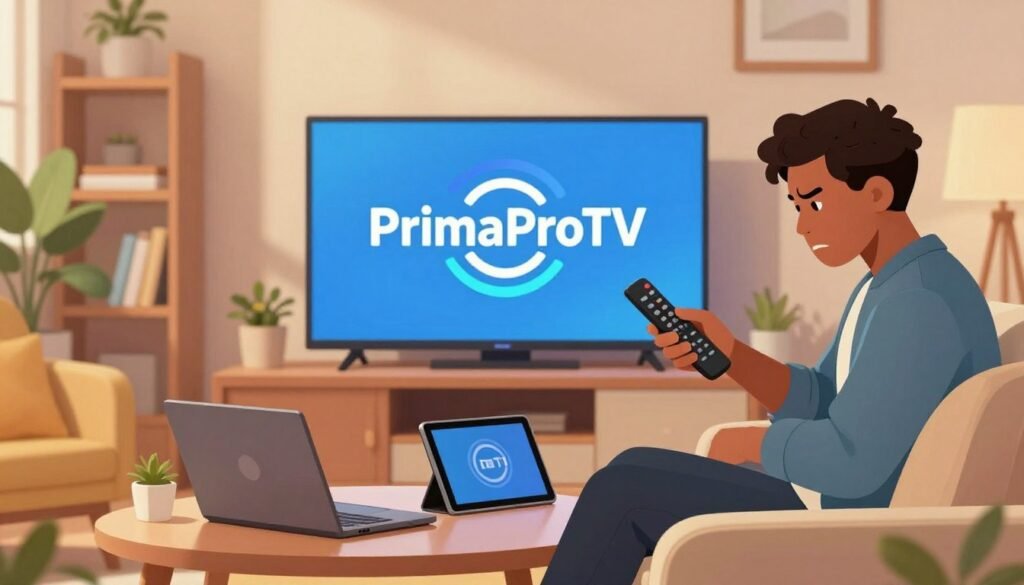
Persistent buffering is often caused by a slow or unstable internet connection. If your video keeps pausing, try restarting your router to refresh your network signal.
You should also check if other devices in your home are consuming too much bandwidth. Many video streaming websites allow you to manually lower the playback quality in the settings menu, which can help the video load more smoothly on slower connections.
Troubleshooting Login Issues
Accessing your account should be seamless, but sometimes you might face unexpected login errors. If you cannot sign in, start by double-checking your credentials for any typos.
If the problem persists, use the password reset feature provided by the service to regain access. Clearing your browser cache or updating your application can also resolve verification loops that prevent you from watching your shows.
Staying calm during these moments is key to finding a quick solution. Most platforms provide clear on-screen prompts to guide you through account recovery and verification steps.
The Future of Video Streaming in the US
The landscape of digital entertainment is evolving faster than ever before. As technology advances, video streaming is becoming more intuitive and personalized for every viewer.
Modern streaming platforms are no longer just libraries of content. They are becoming smart ecosystems that learn your preferences to suggest exactly what you want to watch next.
Emerging Trends to Watch
Artificial intelligence is the primary driver behind the next wave of innovation. These systems analyze your viewing habits to provide highly accurate recommendations, saving you time spent scrolling through menus.
Another major trend involves the integration of interactive features. Some streaming platforms are experimenting with choose-your-own-adventure style narratives, allowing viewers to influence the plot of a show in real-time.
The Rise of Live Streaming Platforms
The shift toward live streaming is fundamentally changing how we consume news, sports, and special events. Many viewers are cutting the cord on traditional cable because they can access live content directly through their favorite apps.
This competition is forcing traditional broadcasters to adapt their business models. By offering high-quality live streaming options, these services ensure they remain relevant in a crowded digital market.
| Feature | Traditional TV | Modern Streaming |
|---|---|---|
| Content Access | Scheduled Broadcast | On-Demand |
| Personalization | Limited | AI-Driven |
| Live Events | Primary Strength | Rapidly Growing |
| Device Flexibility | Fixed | Anywhere |
Staying informed about these changes will help you make the most of your home entertainment setup. The future of media is bright, flexible, and centered entirely around the user experience.
Ensuring Safe and Legal Streaming Practices
Your digital safety remains a top priority when you explore the vast world of entertainment. Protecting your personal data requires a commitment to using only verified platforms like Netflix, Disney+, or Hulu.
Unauthorized sites often hide malicious software that can compromise your computer or mobile device. Choosing official channels for your video streaming needs keeps your private information secure from cyber threats.
Respecting intellectual property rights supports the talented creators who produce the shows you love. Engaging with legitimate online video streaming services ensures that your subscription fees go directly to the studios and artists behind the content.
You play a vital role in maintaining a healthy digital ecosystem by avoiding piracy. Stick to reputable providers to enjoy high-quality video streaming without the risk of malware or legal complications.
Take a moment to review your current subscriptions and ensure they come from trusted sources. Your dedication to safe online video streaming habits creates a better experience for everyone in the entertainment community.


